
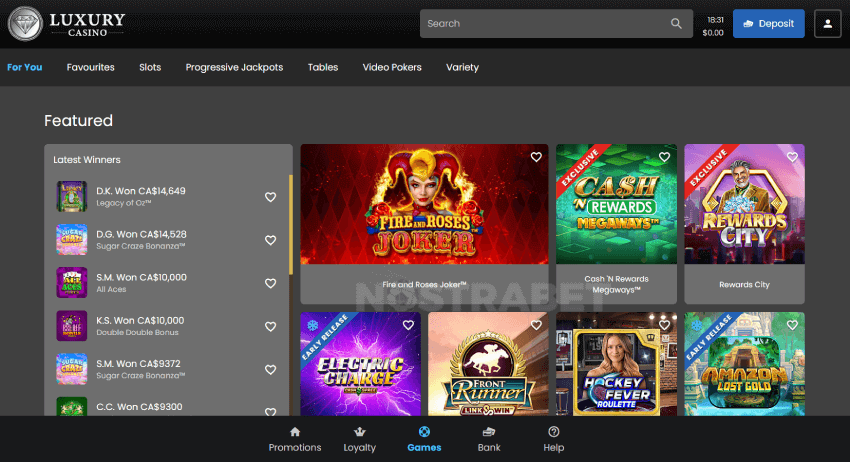
Live casino games can feel more engaging than automated formats because a real dealer, timed decisions and other players create a stronger sense of occasion. That atmosphere can also make sessions harder to measure. For anyone comparing lussurio casino or similar services, responsible gambling tools deserve attention before game selection. Deposit, wagering, loss and time controls can help turn a vague intention to “play less” into practical boundaries. They do not remove risk or guarantee control, but they provide useful points at which to pause, review behaviour and change access when needed.
Why live dealer sessions need a clear stopping plan
Live dealer blackjack, roulette, baccarat and game-show formats usually run continuously, with new rounds available as soon as one ends. That pace can make a short session extend without a deliberate decision to continue. Unlike a fixed entertainment activity, there may be no natural ending point. A table can remain available, and the social presentation may make repeated bets feel like part of the experience rather than separate financial decisions.

A stopping plan should be decided before opening a table. Set a maximum amount for the session, a maximum time and a clear point at which play ends regardless of whether the balance is rising or falling. These limits work best when they are written down or configured in the account rather than held only in memory. Avoid treating a winning run as permission to increase the original budget; short-term results can change quickly.
It is also useful to separate entertainment time from ordinary financial decisions. Do not play while handling essential bills, borrowing money, drinking heavily or feeling distressed. Live play should never be treated as an income source or a way to recover previous losses. If the main reason for continuing is to win back money already spent, that is a warning to stop and take a longer break rather than raise the stake.
Which account limits are most useful?
Different controls address different parts of gambling behaviour. A deposit limit restricts how much money can be added over a selected period, while a wagering limit focuses on the total amount staked. A loss limit is designed around the amount that can be lost. These are not interchangeable. Someone may deposit a modest amount but wager it repeatedly, or deposit more than intended and still remain within a separate loss threshold.

Time and session limits are particularly relevant to live casino play. A session limit can encourage a definite break after a chosen period, while a broader time limit can restrict play across a day or week. Reality checks may provide reminders about elapsed time or activity. Treat these prompts as decision points: stop the table, review the amount spent and decide whether continuing still fits the original plan.
Limits are more effective when they are conservative enough to matter. A limit set close to the amount a person already spends may simply formalize existing behaviour without reducing risk. Consider essential expenses first, then choose a gambling budget that can be lost without affecting rent, food, debt payments or savings. If the available controls have different cooling-off periods or activation rules, read the account terms carefully before relying on them.
What happens when a limit feels inconvenient?
A responsible-gambling control is not a test of willpower. If a limit feels frustrating because it prevents another deposit or ends a session early, that reaction is important information. Do not immediately remove or increase the restriction. Step away from the site, record what you wanted to do and wait until the urge has passed before reviewing the setting. An inconvenient limit may be doing exactly what it was designed to do.
It is also worth checking whether bonus conditions or promotional play could encourage extra wagering. Offers may carry separate rules, and some categories, including live dealer games, may contribute differently or be excluded. Promotional value should never be used to justify spending beyond the planned amount. Before accepting an offer, identify the required wagering, expiry, withdrawal and cancellation conditions, and decide whether the offer makes it harder to follow the budget.
For broader guidance on gambling risks and safer-play approaches, consult the Responsible Gambling Council’s information resources. If changing limits, chasing losses or hiding activity from others becomes routine, consider stopping altogether and seeking qualified support. Account controls can reduce access, but they cannot address financial stress, anxiety or compulsive behaviour on their own.
How can you use cooling-off and self-exclusion?
A cooling-off period is suited to someone who wants a temporary break without making a permanent decision. It can be useful after an unusually long session, an impulsive deposit or a period in which limits were repeatedly tested. Choose a period long enough to interrupt the pattern rather than one so short that play resumes during the same urge. During the break, remove saved payment details and avoid replacing the account with another gambling service.
Self-exclusion is a stronger restriction intended for situations where access itself has become difficult to manage. Before requesting it, read the stated conditions carefully. Check how long it lasts, whether it covers all account activity, whether it can be cancelled early and what happens to pending transactions. Do not assume that self-exclusion from one operator automatically applies to unrelated operators or to every form of gambling.
Use the support channel if a requested restriction is unclear or does not appear to have taken effect. Keep a record of the request and any confirmation received. If access remains available during a vulnerable period, use practical barriers as well: uninstall shortcuts, block gambling sites, ask a trusted person to help protect essential funds and avoid carrying large discretionary balances. These measures add friction while the decision to remain away from gambling becomes easier.
When should you stop live play completely?
Stopping completely may be the most suitable option when gambling causes missed bills, borrowing, secrecy, conflict or repeated attempts to recover losses. Other warning signs include thinking about gambling throughout the day, increasing stakes to achieve the same excitement, feeling restless when unable to play or returning immediately after setting a limit. No single sign proves a disorder, but several together deserve prompt attention.
A practical stopping plan can begin with a final review of open sessions, balances and pending account matters, followed by a request for cooling-off or self-exclusion. Do not make another deposit to “finish on a win,” and do not keep playing to use up a bonus. Tell someone trustworthy what you have decided. Support from another person can make it harder to reverse the decision during a short-lived urge.
Financial safeguards may also help. Move money needed for essentials to an account that is not used for gambling, cancel stored payment options and create a written list of upcoming obligations. If gambling has contributed to debt or significant distress, contact a qualified counsellor, addiction service or local health professional. Immediate danger, severe emotional distress or thoughts of self-harm require urgent help through local emergency or crisis services.
Questions about safer live casino limits
Should I set a loss limit or a deposit limit first?
A deposit limit is a useful first barrier because it restricts how much new money can enter the account. A loss limit adds another layer by focusing on the amount that can be lost. Where both are available, set each independently and choose figures that cannot affect essential spending. Neither control should be treated as permission to reach the limit.
Can a winning session justify extending my play time?
No. A win changes the balance, not the original risk of continuing. Extending play can turn a planned entertainment session into an unplanned exposure to further losses. Keep the time and spending limits agreed in advance, withdraw from the session when they are reached and avoid increasing stakes because recent results have been favourable.
Is self-exclusion appropriate if I am only taking a short break?
Self-exclusion may be appropriate whenever controlling access feels difficult, even if the intended break is short. A cooling-off period may suit someone seeking temporary distance, while self-exclusion provides a stronger barrier. Review the operator’s conditions before choosing. If you are uncertain, select the stronger restriction and seek independent support rather than relying on willpower.